
Main Courses
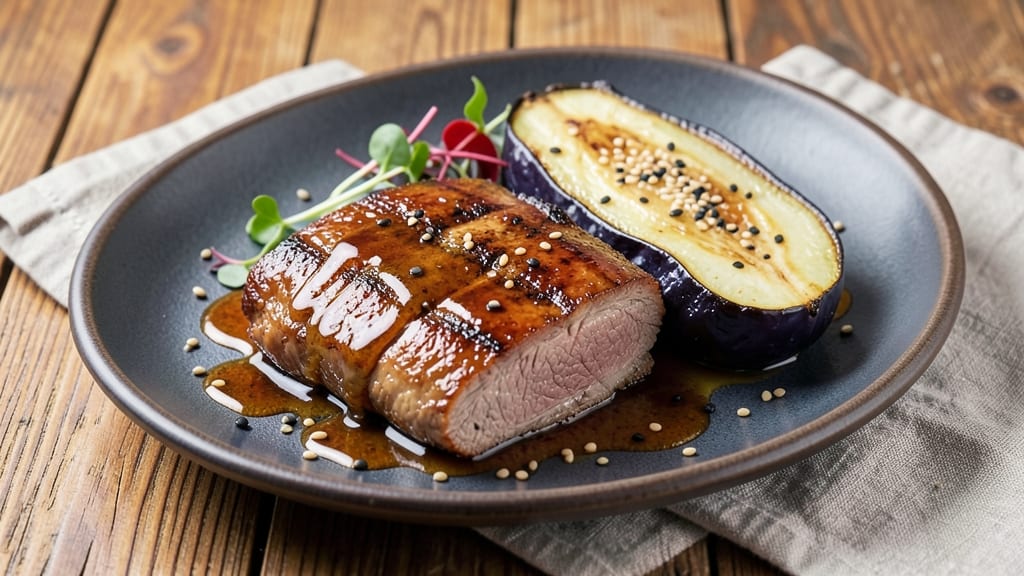
This miso pork and eggplant recipe delivers a perfect balance of silky eggplant and tender pork, all bathed in a rich umami glaze that transforms simple ingredients into something extraordinary. 🔥 The secret lies in marinating the pork overnight—allowing the miso paste to deeply penetrate the meat—while roasting the eggplant until it achieves that coveted melt-in-your-mouth texture.
I developed this dish during a particularly busy week when I needed a one-pan solution that still felt restaurant-worthy.
The magic happens when the miso glaze caramelizes, creating a sticky, savory-sweet coating that clings to both the pork and eggplant. This recipe is designed to be foolproof, with precise cooking times ensuring the pork stays juicy and the eggplant reaches that ideal tender-crisp stage.
The combination of sweet miso, smoky pork, and velvety eggplant creates a harmony of flavors that’s both comforting and sophisticated.
By the time you serve this dish, you’ll have a plate that’s visually stunning—deep amber glaze contrasting against the golden-brown pork and glossy eggplant. The flavors develop even better the next day, making it perfect for meal prep or a special dinner.
Each bite delivers layers of umami, a touch of sweetness, and the satisfying texture of perfectly cooked ingredients.
Whether you're cooking for a weeknight dinner or a weekend gathering, this recipe scales beautifully while maintaining its balance of flavors. The technique is simple, but the result is anything but ordinary—proof that even weeknight meals can feel like a culinary achievement. Let’s get started on creating this umami-rich masterpiece.
Ingredients for miso pork eggplant
Umami-forward ingredients that transform simple proteins into restaurant-quality flavor.
| Ingredient | Amount | Notes |
|---|---|---|
| Japanese-Style Miso Paste 🧈 | ½ cup | White or red miso preferred |
| Boneless Pork Loin 🥩 | 1 ½ lb | Cut into 1-inch cubes |
| Large Eggplant 🍆 | 2 whole | Japanese or Italian variety |
| Sesame Oil 🫒 | 2 tbsp | Toasted for aroma |
| Soy Sauce 🥫 | ¼ cup | Japanese-style preferred |
| Honey 🍯 | 2 tbsp | Wildflower for floral notes |
| Garlic Cloves 🧄 | 6 cloves | Minced for marinade |
| Fresh Ginger 🌿 | 2 tbsp | Finely grated, organic preferred |
| Neutral Oil 🫒 | 2 tbsp | Avocado or vegetable oil |
| Green Onions 🧅 | 4 whole | Sliced for garnish |
| Toasted Sesame Seeds 🌱 | 1 tbsp | For finishing |
| Diamond Crystal Kosher Salt 🧂 | 1 tsp | For seasoning |
| Freshly Ground Black Pepper 🌶️ | ½ tsp | For balance |
The miso paste is non-negotiable here—Marukome or Hikari brands deliver the most authentic umami depth. Look for white miso if you prefer a cleaner flavor or red miso for deeper richness. The pork loin should have visible marbling for juiciness, and cutting it into 1-inch cubes ensures even cooking. For eggplant, Japanese or Italian varieties have fewer seeds and more tender flesh. If you can't find these, American eggplant works too—just slice it thinner to compensate. Fresh ginger loses potency quickly, so buy organic and grate it yourself—pre-grated often contains anti-caking agents that dull the flavor.
No miso paste? Substitute 1/4 cup soy sauce plus 1 tbsp molasses for a quick fix, though the depth won't be identical. Running short on sesame oil? Toast regular sesame seeds in a dry pan and grind them into a paste with a pinch of oil. The honey adds balance to the umami—agave nectar works in a pinch if you're avoiding refined sugar. For the eggplant, salt it and let it sweat for 20 minutes before cooking to remove bitterness. The pork marinade can be made up to 24 hours ahead, which actually enhances the flavor as the miso works its magic.
Marinated pork keeps 3 days in the fridge, while prepped eggplant should be used within 2 days for best texture. The miso glaze can be reheated gently—simmer it with 1 tbsp water to loosen. For meal prep, store components separately and assemble when ready to eat. The glaze freezes beautifully for up to 3 months, making this an ideal make-ahead recipe. Garnishes like sesame seeds and green onions can be added fresh at serving for maximum brightness.
Why You'll Love This Recipe
- One-Pan Magic: I swear by this recipe when I’m too tired to wash dishes. The eggplant and pork cook together in the same pan—no chopping boards, no extra pots—just that rich miso glaze caramelizing everything. Honestly, the only cleanup is wiping the same spatula twice.
- Umami Bomb: That miso paste isn’t just flavor—it’s impact. The pork stays juicy while the eggplant soaks up this salty-sweet depth, and a drizzle of sesame oil at the end? Pure satisfaction. It’s the kind of dish where I’ll pause mid-bite just to savor it.
- Meal Prep MVP: Between us, this is my lunchbox lifesaver. The flavors get even better the next day, and it reheats like a dream. Pack it cold for work or serve it warm with rice—either way, it’s a hit. (Yes, even on a Tuesday night.)
- Budget-Friendly Powerhouse: Pork loin stretches far, eggplant is cheap, and miso adds luxury without breaking the bank. I’ve made this for date nights, family dinners, and solo takeout—same recipe, zero guilt. Plus, leftovers? They’re basically free meals.
Step-by-step instructions for miso glazed pork and eggplant
Master this umami-packed stir-fry where tender pork and silky eggplant meld with a glossy miso glaze.
👨🍳 Step 1: Prepare the Miso Marinade and Pork
In a medium bowl, whisk together the 0.5 cup Japanese-Style Miso Paste, 0.25 cup Soy Sauce, 2 tbsp Honey, 2 tbsp minced Garlic Cloves, and 2 tbsp finely grated Fresh Ginger until smooth. This marinade should coat the back of a spoon with a thick, glossy consistency.
Cut the 1.5 lb Boneless Pork Loin into 1-inch cubes and add them to the marinade. Toss to coat completely, ensuring every piece is well-adhered. Cover and refrigerate for at least 30 minutes (or up to 2 hours for deeper flavor). The pork will absorb the marinade and develop a subtle sheen, indicating it's ready for cooking.
🍳 Step 2: Cook the Pork to Perfect Tenderness
Heat 2 tbsp Neutral Oil in a large skillet over medium-high heat until shimmering. Add the marinated pork in a single layer, leaving space between pieces to avoid steaming. Cook undisturbed for 3-4 minutes until the bottoms develop a deep golden crust.
Flip the pork and continue cooking for another 3-4 minutes until the internal temperature reaches 145°F (measured with an instant-read thermometer). The pork should be tender but still slightly firm to the touch, not falling apart. Remove the pork from the skillet and set it aside on a plate, tented loosely with foil to retain heat.
🥘 Step 3: Stir-Fry the Eggplant for Silky Texture
In the same skillet (no need to clean it—the fond adds flavor), add 2 tbsp Sesame Oil and swirl to coat the bottom. Add the 2 whole Large Eggplant, cut into 1-inch chunks, and cook over medium heat for 8-10 minutes, stirring occasionally. The eggplant should soften slightly but remain firm with just a hint of resistance when pierced with a fork.
Here's the thing—don't overcrowd the pan. If the eggplant releases too much liquid, reduce the heat to medium-low and let it evaporate before continuing. You want the eggplant to caramelize slightly at the edges, creating a delicate contrast to its silky interior.
🔥 Step 4: Combine and Glaze the Stir-Fry
Return the cooked pork to the skillet with the eggplant. Pour any remaining marinade from the bowl into the pan, scraping up any browned bits from the bottom. Increase heat to high and bring the mixture to a simmer, stirring constantly for 2-3 minutes until the pork is evenly coated in the glaze.
Add the 4 whole Green Onions, sliced into ½-inch pieces, and stir for another 30 seconds until wilted but still vibrant. The stir-fry should now have a glossy, sticky glaze that clings to every piece of pork and eggplant. Taste and adjust seasoning with 1 tsp Diamond Crystal Kosher Salt and 0.5 tsp Freshly Ground Black Pepper if needed.
🍽️ Step 5: Finish and Serve with Toasted Sesame Seeds
Transfer the stir-fry to a serving platter and sprinkle generously with 1 tbsp Toasted Sesame Seeds. These seeds add a nutty crunch that cuts through the rich umami flavors of the miso and pork. Serve immediately over steamed rice or noodles to soak up the delicious glaze.
The dish should be a harmonious balance of textures—tender pork, silky eggplant, and the slight crunch of sesame seeds. Each bite should deliver layers of sweet, salty, and umami flavors, with the miso glaze tying everything together. If the sauce seems too thick after sitting, warm it gently with a splash of water or broth to loosen it before serving.
Pro Tips For Making Miso Pork Eggplant
- CHAR THE EGGPANT FIRST: I learned this the hard way—skipping the char makes the eggplant mealy. Sear thick slices over high heat until blackened in spots (about 3 minutes per side), then blanch in boiling water for 1 minute to stop cooking. The contrast of crispy edges and tender flesh is what makes this dish sing.
- SLICE THE PORK THIN: No, not "thin"—paper-thin. Cut the pork loin against the grain into 1/8-inch slices (use a sharp knife and press down firmly). Thicker pieces stay chewy; this thickness guarantees melt-in-your-mouth texture. If your knife isn’t up to it, freeze the pork for 20 minutes first—it’ll slice like butter.
- DILUTE THE MISO: Undiluted miso paste is a glue trap. Mix 2 tablespoons of miso with 1 tablespoon of water or dashi before adding it to the pork and eggplant. This keeps the sauce silky rather than clumpy and lets the umami spread evenly. Stir it in at the very end—just before serving—so it doesn’t turn bitter from overcooking.
- REST THE PORK AFTER SEARING: Resist the urge to toss the seared pork into the pan immediately. Let it sit on a plate for 5 minutes while you prep the eggplant. This relaxes the fibers so they absorb the miso-soy glaze better, and you’ll avoid a tough, rubbery bite. (Yes, even if you’re impatient like me.)
Regional styles of this miso pork eggplant
Japanese Home-Style
This dish finds its roots in Japanese home cooking, where miso is the star ingredient. In traditional Japanese households, eggplant (nasu) is often simmered in soy or miso for a dish called nasu dengaku, while pork (buta) is frequently marinated in miso for miso-buta.
For this regional take, I blend both techniques: marinate the pork in miso overnight (like miso-buta), then stir-fry it with silky eggplant—similar to nasu dengaku but with the addition of pork for heartier flavor. 🍜
Okinawan Fusion
Okinawa’s cuisine is all about balancing flavors with minimal ingredients, and this dish fits right in. The island’s love for pork (goya champuru, a stir-fry with bitter melon) inspired me to adapt the technique here.
In Okinawa, you’ll often find pork stir-fried with local vegetables and a touch of sweetness—just like our honey-miso glaze. For an Okinawan twist, add 1 tbsp Okinawan awamori (sweet potato liquor) to the marinade for a subtle, boozy depth. 🌺
Korean-Inspired Tang
Korean cuisine brings bold, tangy flavors to the table, and this dish benefits from a Korean-inspired adjustment. Swap 2 tbsp of the soy sauce for gochujang (Korean chili paste)—about 1 tbsp—to add a smoky, spicy kick.
The miso’s umami will complement the gochujang’s heat beautifully. For extra authenticity, garnish with toasted sesame seeds and sliced green onions, then drizzle with a little sesame oil before serving. 🌶️
Thai-Inspired Sweetness
Thai cuisine loves balancing sweet, salty, and sour flavors, and this dish can easily adopt that approach. Add 1 tbsp fish sauce and 1 tsp palm sugar to the marinade for a Thai-inspired twist. The fish sauce will deepen the umami, while the palm sugar adds a caramelized sweetness.
For garnish, top with thinly sliced Thai basil and a sprinkle of crushed peanuts for texture. Serve with jasmine rice to soak up the sticky glaze. 🌿
Southern American Twist
Drawing from my Southern roots, I love adding a touch of heat and smokiness to this dish. Swap 1 tbsp of the honey for maple syrup and add ½ tsp smoked paprika to the marinade for a subtle smoky note.
For extra Southern flair, serve over stone-ground grits instead of rice, and garnish with crispy fried shallots for a crunchy contrast. This version keeps the umami but adds a familiar Southern comfort twist. 🍯
Nutrition facts
Frequently asked questions
Can I use chicken or tofu instead of pork?
For chicken, use 1.5 lbs boneless thighs (they stay juicier than breast) and marinate for 1-2 hours instead of overnight. For tofu, press and cube 1 block extra-firm tofu, then pan-fry until golden before adding to the stir-fry. The cooking time for tofu should be 5-6 minutes per side to achieve that silky texture.
Why does my eggplant turn mushy?
Overcrowding the pan or cooking at too high heat causes eggplant to release too much liquid and become mushy. Cook in batches if needed, and keep heat at medium while stirring occasionally. For extra insurance, salt the eggplant and let it sweat for 20 minutes before cooking to remove excess moisture. Japanese eggplant varieties hold up better than American types.
How can I make this dish spicier?
Add 1 tbsp gochujang (Korean chili paste) or 1 tsp chili flakes to the marinade for heat. For a smoky kick, stir in ½ tsp smoked paprika with the sesame seeds at the end. Start with small amounts—you can always add more! For extra heat, serve with sriracha or chili crisp on the side.
Can I prepare this ahead of time?
Yes! Marinate the pork up to 24 hours ahead for deeper flavor. Cook the pork and eggplant separately, then refrigerate components separately for up to 2 days. Reheat gently in a skillet with 1 tbsp water to loosen the glaze. For best texture, serve within 2 hours of reheating. The glaze thickens when chilled—thin with a splash of water or broth before serving.
What's the best rice to serve with this?
Jasmine rice is ideal—its floral aroma complements the umami perfectly. For extra texture, try short-grain sushi rice or stone-ground grits (Southern-style). Avoid long-grain basmati as it won't soak up the glaze as well. Cook rice with ½ tsp miso paste mixed into the water for a subtle flavor boost.