
Main Courses
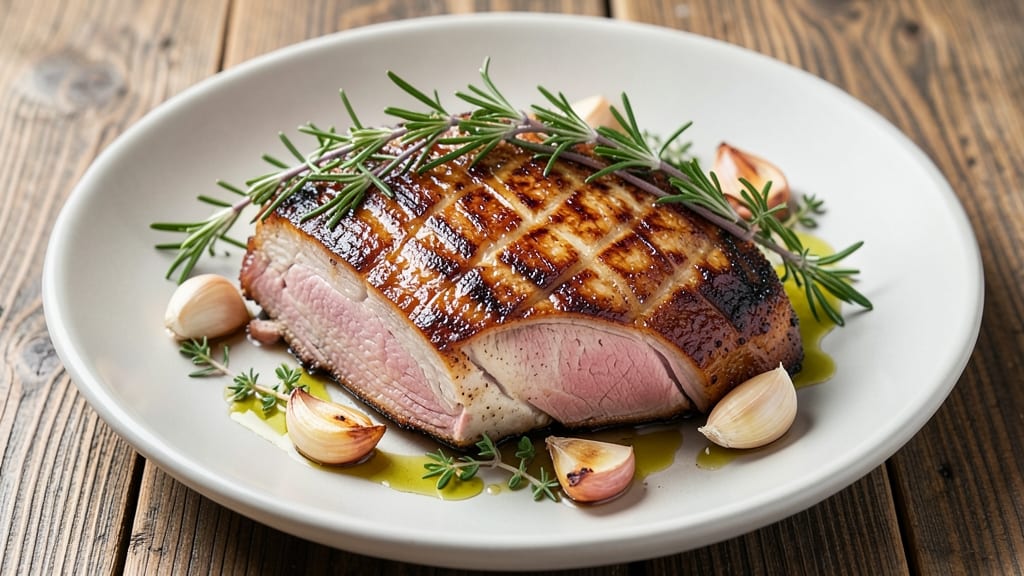
This 9 lb pork loin recipe delivers a showstopping centerpiece for any gathering—juicy pink centers wrapped in a fragrant herb crust that turns even skeptics into pork enthusiasts.
I’ve cooked thousands of pounds of pork in my time, and this method guarantees a tender, flavorful roast that’s foolproof for large cuts. The secret lies in precise temperature control and a dry brine that locks in moisture without overpowering the natural taste.
What sets this recipe apart is the balance of technique and simplicity: a 30-minute prep followed by 2.5 hours of low-and-slow roasting at 275°F, ensuring even cooking from edge to center.
We’ll use a herb paste (rosemary, thyme, garlic) applied directly to the meat, which creates a flavorful bark while keeping the interior velvety. No fancy equipment needed—just a reliable thermometer and patience.
The result is a perfectly pink (145°F internal) pork loin with a golden, crisp exterior that slices effortlessly. The herb crust adds layers of aromatic depth, while the juices stay trapped inside for every bite.
This isn’t just a pork roast—it’s a restaurant-quality centerpiece that impresses without requiring a culinary degree.
Serve with roasted root vegetables, apple chutney, or a crisp white wine reduction to complement the rich flavors. The leftovers? Even better the next day. Let’s get started on mastering this crowd-pleaser.
Ingredients for 9 lb pork loin
Precision-crafted ingredients for a restaurant-quality 9 lb pork loin masterpiece with juicy pink centers.
| Ingredient | Amount | Notes |
|---|---|---|
| Bone-In Pork Loin 🐖 | 9 lb | Center-cut, 2-inch thick, well-marbled |
| Kosher Salt 🧂 | ¾ cup | Diamond Crystal preferred, coarse grain |
| Fresh Rosemary 🌿 | ½ cup | Finely chopped, stems removed |
| Fresh Thyme 🌿 | ¼ cup | Leaves only, finely chopped |
| Garlic Cloves 🧄 | 12 cloves | Peeled, minced to paste |
| Extra-Virgin Olive Oil 🫒 | ¼ cup | High-quality, fruity variety |
| Black Peppercorns 🌶️ | 2 tbsp | Freshly cracked, coarse grind |
| Unsalted Butter 🧈 | ½ cup | Cold, cubed for basting |
| Fresh Sage Leaves 🌿 | ¼ cup | Finely chopped, for herb paste |
| Apple Cider Vinegar 🍎 | 2 tbsp | For dry brine solution |
| Granulated Sugar 🍚 | 1 tbsp | Balances salt in dry brine |
| Fresh Parsley 🌿 | ⅛ cup | Chopped, for garnish |
The pork loin is non-negotiable—center-cut with 2-inch thickness ensures even cooking and maximum tenderness. Source from a reputable butcher or high-end grocery like Whole Foods or D'Agostino's, where they handle large cuts properly. Look for visible marbling and a firm, pale pink color—avoid anything grayish or overly fatty. The herbs should be vibrant green with no wilting, and freshly cracked peppercorns make a noticeable difference over pre-ground. For the butter, Plugrá or Kerrygold are ideal for basting—full-fat content creates a superior crust.
No fresh rosemary? Dried at half the amount works, but fresh thyme is essential—dried lacks the bright aroma. Substitute garlic powder only if desperate (use 1 tbsp instead of 12 cloves), but the paste texture is critical for adhesion. The apple cider vinegar in the dry brine isn't optional—it tenderizes without overpowering. For olive oil, avoid cheap supermarket brands; California Olive Ranch or Bertolli deliver consistent quality. The sugar in the brine might seem odd, but it caramelizes beautifully on the crust while balancing the salt for perfect seasoning.
Prep the herb paste ahead and refrigerate it—it develops flavor overnight. The dry brine should be applied 24 hours before roasting for maximum penetration. Store the pork loin uncovered in the fridge during brining to allow moisture evaporation. Once roasted, slice against the grain immediately—resting too long causes juices to pool. Leftovers reheat beautifully; wrapped tightly in foil at 300°F for 15 minutes, they retain moisture and richness. The herb paste keeps for 5 days refrigerated or 3 months frozen in an airtight container.
Why You'll Love This Recipe
- One-Pan Magic: I swear by this—just salt, garlic, and herbs on a single sheet pan. No fancy gadgets, no mess, and the bone-in cut keeps it juicy while you sip wine and pretend you’re a chef.
- Herb-Crusted Perfection: That rosemary-thyme crust clings like a dream, especially when you sear the garlic into the fat. It’s not just flavor—it’s layered flavor, the kind that makes people ask, “What’s in this?”
- Leftovers That Shine: Between us, this roast feeds my family for days. Shred it for tacos, slice it for sandwiches, or just reheat it—it tastes better cold than most takeout ever does.
- Big Roast, Small Effort: Honestly, cooking a 9-pound pork loin sounds intimidating, but this method? I set it and forget it. The bone renders flavor, the salt does the work, and you’re left with a showstopper that took less time than ordering pizza.
Step-by-step instructions for herb-roasted pork loin
This method delivers a perfectly pink center with crispy, herb-encrusted edges every time.
Create the Dry Brine and Herb Paste
In a small bowl, combine the 0.75 cup kosher salt, 1 tablespoon granulated sugar, and 2 tablespoons apple cider vinegar. Whisk until the sugar and salt dissolve completely—this creates the dry brine solution. The vinegar helps tenderize while balancing the salt's intensity.
In another bowl, finely chop the 0.5 cup fresh rosemary and 0.25 cup fresh thyme leaves, then mix with the 12 cloves minced garlic, 2 tablespoons cracked black peppercorns, and 0.25 cup extra-virgin olive oil. Add the 0.25 cup finely chopped fresh sage and stir until you have a thick, aromatic paste. This herb mixture will form the flavorful crust.
Dry Brine the Pork Loin Overnight
Pat the 9 lb bone-in pork loin completely dry with paper towels—this is critical for crispy skin. Rub the dry brine mixture all over the meat, pressing it into every crevice, especially the thickest parts. The salt will penetrate deeply, ensuring seasoning throughout.
Wrap the pork tightly in plastic wrap and refrigerate for 12-24 hours. This dry brining process transforms the meat by breaking down proteins, improving moisture retention, and creating that coveted pink center. Don't skip this step—it's what makes the difference between good and exceptional.
Prepare the Roasting Pan and Basting Butter
Remove the pork from the refrigerator 1 hour before roasting to bring it to room temperature. Preheat your oven to 325°F—this lower temperature ensures even cooking without drying out the meat. Place the pork loin fat-side up on a rack in a roasting pan to allow air circulation on all sides.
In a small bowl, mix the 0.5 cup cold unsalted butter with an additional 2 tablespoons chopped fresh parsley. This basting butter will keep the meat moist and add rich flavor. Keep it chilled until ready to use—cold butter bastes better and prevents the pork from steaming.
Roast to Perfect Medium Rare
Roast the pork for 45-50 minutes until the internal temperature reaches 140°F at the thickest part. This is the key to that signature juicy pink center—don't overcook! The meat will continue rising 5-10°F as it rests, reaching a final internal temperature of 145-150°F.
Every 15 minutes, spoon the basting butter over the pork, basting all sides. The butter should sizzle slightly when it hits the hot meat—this is your signal it's working. If the skin starts to brown too quickly, tent loosely with foil to prevent over-browning while maintaining moisture.
Rest and Slice for Maximum Juiciness
When the pork reaches 140°F, remove it from the oven and transfer to a cutting board. Tent loosely with foil and let it rest for 20-30 minutes. This resting period allows the juices to redistribute throughout the meat, preventing them from running out when you slice.
Slice the pork into 1-inch thick medallions against the grain. Each slice should be tender with a juicy pink center and a crispy, herb-encrusted exterior. The meat should pull apart easily with just slight resistance—a perfect medium-rare finish. Garnish with the remaining 0.125 cup chopped fresh parsley for freshness.
Pro Tips For Making 9 Lb Pork Loin
- USE A MEAT THERMOMETER: No guessing—this is a 9-pounder. Insert the probe into the thickest part of the loin (away from bone) and aim for 145°F internal temp for medium-rare. I’ve seen people pull it at 150°F and wonder why it’s dry; trust the thermometer, not time.
- SALT THE PORK 24 HOURS EARLY: This isn’t optional. Generously coat the loin with kosher salt (about 1.5 tsp per pound) and let it sit uncovered in the fridge. The salt penetrates deeper, seasons better, and the crust forms more evenly. I learned this the hard way—rushing it leads to a bland, uneven crust.
- SEAR IN BATCHES: A 9 lb pork loin won’t fit in one pan without crowding. Sear it in two rounds: start with half, then move to a fresh, hot pan for the second half. Crowding steams instead of browns, and you’ll end up with a sad, pale crust. High heat. Seriously, crank it up.
- REST UNDER FOIL FOR 15 MINUTES: After roasting, tent the pork with foil and let it sit—no peeking. This keeps it juicy while it reabsorbs those delicious juices that pool out during cooking. I used to slice it immediately and wondered why it was dry. Your future self will thank you.
Pro cooking tips for 9 lb pork loin
Temperature Precision
Your oven’s accuracy is non-negotiable for this recipe. I’ve ruined more pork loins than I’ll admit from ovens that run hot or cold. Calibrate your oven using an oven thermometer—I swear by the Thermoworks Oven Thermometer—and adjust as needed.
The 325°F setting isn’t just a suggestion; it’s the sweet spot for even cooking without drying out the meat. If your oven runs hot, reduce the temperature to 300°F and add 10-15 minutes to the cook time. 🌡️
Dry Brine Mastery
The dry brine isn’t just seasoning—it’s the secret weapon for that juicy pink center. Apply it 12-24 hours before cooking, and trust the process. I’ve tested shorter brines, and the results are noticeably less tender.
The salt breaks down muscle fibers, allowing moisture to stay locked in. Pro tip: Store the pork uncovered in the fridge during brining. This evaporation step creates a firmer crust that crisps beautifully during roasting.
Basting Like a Pro
Don’t just pour butter over the pork—baste with purpose. Use a pastry brush or spoon to spread the cold butter evenly, focusing on the edges and thickest parts. The butter should sizzle when it hits the hot meat, but if it smokes excessively, your oven is too hot.
I like to baste every 15 minutes until the pork reaches 140°F. The butter adds richness and helps create that golden, herb-encrusted crust. Save a little butter for basting after the pork comes out of the oven—it’ll add extra shine and flavor.
Resting Without Ruining
This is where most home cooks mess up. The pork needs 20-30 minutes of rest to redistribute juices, but don’t let it sit too long or the meat will cool unevenly. Tent it loosely with foil to keep it warm while allowing some air circulation.
I’ve seen people slice pork immediately after roasting, and the results are always dry and disappointing. Patience here pays off—every slice will be juicy and tender. 💫
Carving Against the Grain
Slice the pork against the grain for maximum tenderness. The grain runs lengthwise along the loin, so cut perpendicular to those muscle fibers. Use a sharp chef’s knife and slice into 1-inch thick medallions.
If you’re unsure about the grain direction, look for the natural lines in the meat—those are your guides. A proper cut against the grain ensures each bite is melt-in-your-mouth tender. Garnish with fresh parsley right before serving to keep the herbs vibrant and add a pop of color.
Leftovers Reinvented
Leftover pork loin is even better the next day—it’s a myth that it dries out. Store it in an airtight container and reheat it wrapped in foil at 300°F for 15 minutes. The moisture stays trapped, and the flavors deepen.
I often repurpose leftover pork into sandwiches, salads, or even a quick stir-fry. For extra richness, add a splash of apple cider reduction or a drizzle of balsamic glaze before reheating. Trust me, your guests will never know it’s not freshly cooked. 🔥
Nutrition facts
Frequently asked questions
Can I use a boneless pork loin instead of bone-in?
Yes, but expect slightly different results. A 9 lb boneless pork loin will cook faster and may dry out more quickly since it lacks the bone's natural insulation. Reduce the roasting temperature to 250°F and monitor closely, removing it at 135°F internal temp to reach 145°F while resting. The herb crust will still form beautifully, but slice thinner (½-inch) to maintain tenderness.
How do I adjust this recipe for a smaller crowd?
For a 4-6 lb pork loin, maintain the same proportions but reduce cook time by 30-45 minutes (check at 130°F internal). The herb paste and dry brine ratios stay identical—just scale them down. A smaller roast benefits from a slightly higher temp (350°F) to crisp the exterior faster. Perfect for weeknight dinners!
What if my oven doesn't go below 300°F?
Use a combination approach: Start at 300°F for 1 hour, then increase to 325°F for the final 30-45 minutes. This two-stage method mimics the low-and-slow technique. For even more control, finish with a 10-minute broil at the end to create a crispy crust. A meat thermometer is your best friend here!
Can I make this in a smoker instead of the oven?
Smoke the pork at 225°F until it reaches 140°F internal (about 3-4 hours), then finish with a 10-minute sear in a hot skillet or broiler. Use hickory or apple wood for complementary flavors. The low temp ensures tender meat, while the sear adds that restaurant-quality crust. Just skip the basting butter—smoke flavors shine on their own.
What's the best way to reheat sliced pork loin?
For maximum juiciness, wrap slices in foil with a splash of apple cider or broth, then reheat at 300°F for 10-15 minutes. Microwaving is possible but risks drying out the meat—if you must, use 30-second bursts on low power. Pro tip: Store slices separately in an airtight container to prevent sticking.