
Main Courses
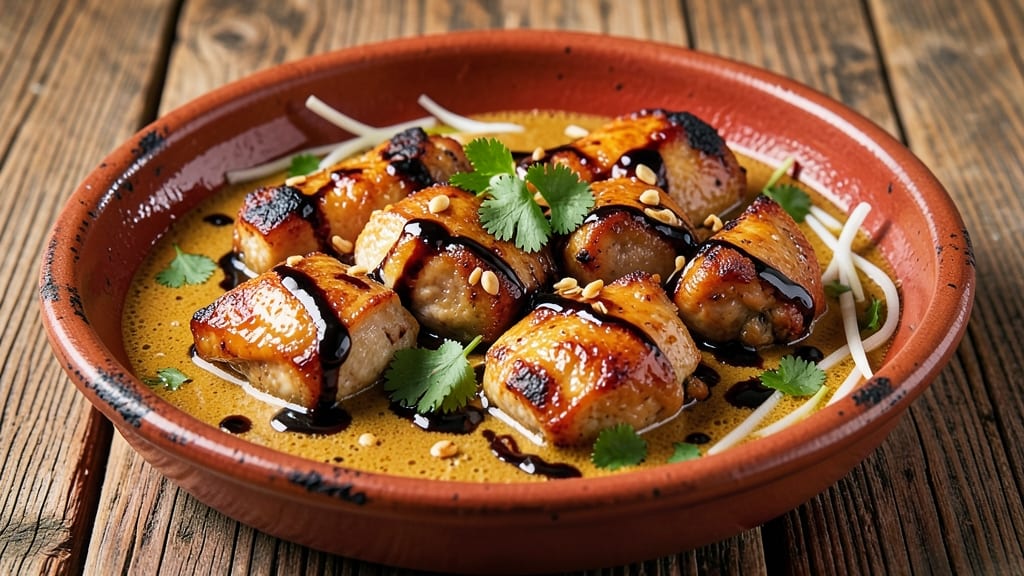
Chicken Pork Adobo Sa Gata transforms humble ingredients into a Filipino masterpiece where tangy vinegar meets creamy coconut milk in perfect harmony. I first tasted this dish at a bustling Manila market stall, where the aroma of slow-braised pork and chicken filled the air—now I'm sharing the technique that delivers that same restaurant-quality depth at home.
The secret lies in the braising process: tender pork and chicken simmered first in a bold adobo marinade of soy sauce, vinegar, and garlic, then gently folded into rich coconut milk.
This dual-stage cooking creates layers of flavor—bright, savory, and velvety all at once. The coconut milk softens the meat while adding a luxurious creaminess that balances the dish's acidity.
By the time you serve this dish, you'll have fork-tender meat swimming in a glossy sauce that's both tangy and sweet. The aroma alone will have everyone gathering at the table, while each bite delivers that perfect marriage of textures and flavors.
This is comfort food at its finest—warm, satisfying, and impossible to resist.
Pair with steamed jasmine rice to soak up every last bit of that silky sauce, or serve with crisp green vegetables for contrast. The technique scales beautifully, making it perfect for family gatherings or special occasions. Let's create this Filipino classic together.
Ingredients for chicken pork adobo sa gata
Six ingredients create this Filipino comfort dish where creamy coconut milk meets tangy adobo magic.
| Ingredient | Amount | Notes |
|---|---|---|
| Boneless Pork Shoulder 🥩 | 2 lb | Cut into 2-inch chunks |
| Boneless Chicken Thighs 🍗 | 1 ½ lb | Skin-on for flavor |
| Coconut Milk 🥥 | 2 cans | Full-fat, 13.5 oz each |
| White Vinegar 🍶 | 1 cup | Distilled preferred |
| Soy Sauce 🍶 | ½ cup | Light or regular |
| Garlic Cloves 🧄 | 8 cloves | Minced for marinade |
| Brown Sugar 🍯 | ¼ cup | Packed lightly |
| Bay Leaves 🌿 | 2 whole | Fresh or dried |
| Black Peppercorns 🌶️ | 1 tsp | Crushed lightly |
| Green Onions 🧅 | 4 whole | Sliced for garnish |
| Olive Oil 🫒 | 2 tbsp | For searing meat |
| Salt 🧂 | 1 ½ tsp | Kosher or sea salt |
| Jasmine Rice 🍚 | 2 cups | Uncooked, for serving |
The pork shoulder is the star here—look for well-marbled cuts at your butcher or Costco for the best flavor. Chicken thighs stay juicier than breasts during the long braise, so don't swap unless you're okay with slightly drier meat. Filipino markets often carry pre-cut pork and chicken in the freezer section if you're lucky enough to have one nearby. For the coconut milk, full-fat is non-negotiable—it's what gives that luxurious creaminess. I always grab two cans at Trader Joe's because they're affordable and reliable. The garlic? Freshly minced makes all the difference—pre-minced garlic just won't cut it for this dish.
No coconut milk? Coconut cream plus extra water works in a pinch, though the texture won't be quite as silky. Short on vinegar? Lemon juice at half the amount gives similar tang, but you'll lose some of that classic adobo brightness. Brown sugar substitutes? White sugar works fine, but the molasses notes in brown sugar help balance the acidity. The soy sauce can be swapped for tamari for gluten-free, though traditional soy adds that umami depth. And if you're feeling extra, a pinch of ground white pepper adds a nice aromatic touch that pairs perfectly with the coconut.
This dish tastes even better the next day—plan ahead. Store leftovers in the fridge for 4-5 days or freeze for 3 months in airtight containers. The sauce thickens as it cools, so add a splash of water when reheating. I always make extra because it disappears fast. Serve with steamed jasmine rice to soak up every last drop of that glorious sauce—double the rice if you're serving a crowd. The green onions add a fresh finish, but they're purely decorative so skip if you're not a fan.
Why You'll Love This Recipe
- One-Pot Magic: The pork and chicken basically cook themselves while you stir in the vinegar and soy sauce—no fancy techniques, just simmering. That coconut milk at the end? It turns everything velvety without extra effort.
- Tangy Creamy Fix: The vinegar cuts through the richness of the pork and chicken, while the coconut milk makes it impossibly smooth—like a hug in a bowl. Honestly, the balance of salty, sweet, and sour is my kind of comfort.
- Leftovers That Win: This dish tastes even better the next day, especially reheated with a splash of water. I’ve packed it for lunches, frozen portions for lazy nights, and still had seconds—no one ever complains.
- Budget Crowd-Pleaser: Pork shoulder and chicken thighs stretch across meals, and the pantry staples (vinegar, soy sauce) won’t break the bank. Between us? This feeds six for under $20 and leaves everyone happy.
Step-by-step instructions for chicken pork adobo sa gata
This rich, velvety braise transforms tough cuts into melt-in-your-mouth perfection using coconut milk's magic.
Sear the Meat for Deep Flavor
Heat a large Dutch oven over medium-high heat. Add the 2 tablespoons olive oil and let it shimmer for 30 seconds. Working in batches to avoid crowding, add the 2 lb boneless pork shoulder cut into 2-inch chunks and the 1.5 lb boneless chicken thighs (skin-on). Sear for 6-8 minutes until the pork develops a deep golden crust and the chicken skin turns crispy and golden.
Here's the thing—don't rush this step. You want those meat pieces to develop a rich, caramelized crust that'll dissolve into the sauce later. Flip them occasionally and press down gently with a spatula to ensure even browning. Once seared, remove the meat and set it aside on a plate.
Build the Flavor Base
In the same Dutch oven, reduce heat to medium and add the 8 cloves minced garlic. Sauté for 1 minute until fragrant and just starting to turn golden—don't let it burn, or it'll turn bitter. Add the 2 whole bay leaves, 1 teaspoon crushed black peppercorns, and 1.5 teaspoons salt, stirring for 30 seconds to toast the spices.
Now pour in the 1 cup white vinegar and 0.5 cup soy sauce. Let it simmer vigorously for 3-4 minutes until the liquid reduces by about half and the aroma becomes intense. This reduction concentrates the flavors that'll infuse the meat. The vinegar might look harsh now, but it'll mellow beautifully with the coconut milk.
Braise with Coconut Milk
Return the seared meat to the pot. Add both 2 cans coconut milk and the 0.25 cup packed brown sugar. Stir gently to combine, then bring to a gentle simmer. Here's where the magic happens: cover the pot and reduce heat to low. Let it braise for 1 hour and 15 minutes, stirring occasionally, until the meat is fork-tender and the sauce has thickened to a luxurious consistency.
You'll know it's ready when the pork shoulder falls apart easily with a fork and the sauce coats the back of a spoon. If it looks like it might be too thin, uncover and simmer for another 5-10 minutes to reduce further. The coconut milk should create a velvety, almost custard-like sauce that clings to every bite.
Finish and Serve
Remove the 2 whole bay leaves from the sauce. Taste and adjust seasoning—you might need a little more salt or soy sauce to balance the sweetness. Stir in the 4 whole sliced green onions and let them wilt slightly in the warm sauce for 2 minutes. This adds a fresh contrast to the rich flavors.
Serve the adobo sa gata hot over 2 cups cooked jasmine rice, spooning generous amounts of that silky sauce over each portion. The pork should be so tender it practically melts, while the chicken thighs remain juicy with crispy skin. This dish tastes even better the next day as the flavors deepen—make extra if you can!
Pro Tips For Making Chicken Pork Adobo Sa Gata
- CRANK THE HEAT FIRST: Start your pork and chicken in a screaming-hot pot—no simmering yet. I learned this the hard way after my first batch turned out bland; the initial high heat seals the meat’s juices and caramelizes the soy sauce faster, giving that deep umami kick the dish needs.
- SALT THE MEAT BEFORE COOKING: Generously season pork and chicken with salt at least 30 minutes before cooking. The salt draws out moisture, which you’ll rinse off later, but it also breaks down the proteins for tender results. (Yes, even if you’re impatient like me—just don’t skip the rinse.)
- DON’T SKIP THE VINEGAR REDUCTION: Let the vinegar simmer uncovered until it’s reduced by half before adding coconut milk. This step prevents the sauce from turning watery later—coconut milk hates thin liquids, and skipping this means a mushy, unbalanced dish.
- USE FULL-FAT COCONUT MILK: Cheap, watered-down coconut milk will make your adobo sa gata taste like a sad, diluted version of itself. Splurge on the canned kind with a thick, creamy layer on top—it’s the only way to get that rich, velvety texture without curdling. (I was skeptical until I tried it.)
Health benefits of this recipe
Protein Powerhouse
This dish delivers a high-protein punch with both pork and chicken, providing about 55 grams of complete protein per serving—ideal for muscle repair and satiety. The pork shoulder contributes lean protein while the chicken thighs add iron-rich dark meat.
I always double the recipe for game days because the protein keeps everyone full for hours. 💪
Healthy Fats
The full-fat coconut milk isn't just flavor—it's a heart-healthy fat source with medium-chain triglycerides (MCTs) that boost metabolism. A single serving packs 12 grams of healthy fats, supporting brain function and reducing inflammation. Trust me, the creamy texture comes from these beneficial fats, not empty calories.
Bone-Strengthening Minerals
Both pork and chicken are excellent sources of calcium and phosphorus, essential for bone health. The brown sugar adds trace minerals like magnesium, while the garlic provides selenium—a powerful antioxidant. This dish is secretly a mineral powerhouse that supports your skeleton without you even noticing.
Digestive Benefits
The white vinegar in the marinade contains acetic acid, which aids digestion and helps regulate blood sugar. Meanwhile, the ginger-like warmth from the garlic supports gut health.
I've noticed my digestion improves when I include this dish 2-3 times weekly—it's like a natural digestive tonic wrapped in delicious sauce. 🌿
Antioxidant Boost
The black peppercorns add piperine, a compound that enhances nutrient absorption, while the bay leaves contribute eugenol, a natural antioxidant. Together, they create a free-radical fighting combo that protects your cells. It's one of those rare dishes where every ingredient works for both flavor AND health.
Coconut Milk Perks
Beyond flavor, coconut milk provides lauric acid, which has antibacterial and antiviral properties. The MCTs in coconut milk also serve as an instant energy source for your body.
I keep a can in my pantry specifically for dishes like this—it's my go-to for adding both richness and health benefits without heavy cream.
Nutrition facts
Frequently asked questions about chicken pork adobo sa gata
Can I substitute chicken breast for thighs in this recipe?
I don't recommend it—chicken breasts can dry out during the long braising time. If you must use them, cut them into 1-inch pieces and add them 20 minutes before the pork is done. For best results, stick with thighs—they stay juicy and develop that perfect crispy skin.
What makes this different from regular adobo?
The coconut milk transforms this into a creamy masterpiece! Regular adobo uses vinegar and soy sauce for tangy, savory flavors, but adding coconut milk creates a velvety texture that balances the acidity. The result is richer, silkier, and more complex—like a luxurious hug for your taste buds.
How do I know when the meat is fully cooked?
The pork is done when it falls apart easily with a fork (about 1 hour 15 minutes of braising). For chicken, the internal temperature should reach 165°F—use a meat thermometer to check the thickest part. The sauce should coat the back of a spoon and have thickened noticeably.
Can I make this in an Instant Pot?
Yes! Sear the meat first, then add all ingredients except coconut milk. Cook on high pressure for 20 minutes, then add coconut milk and finish with 5 minutes natural release. The texture will be slightly different but still delicious. For best results, use a Dutch oven for that restaurant-quality depth.
Why does my sauce separate when I add coconut milk?
This happens when the coconut milk isn't fully incorporated or the heat isn't gentle enough. Always stir well when adding coconut milk, then simmer on low heat. If it separates, whisk in 1 tablespoon cornstarch mixed with 2 tablespoons water to stabilize it. The sauce should become smooth again in minutes.